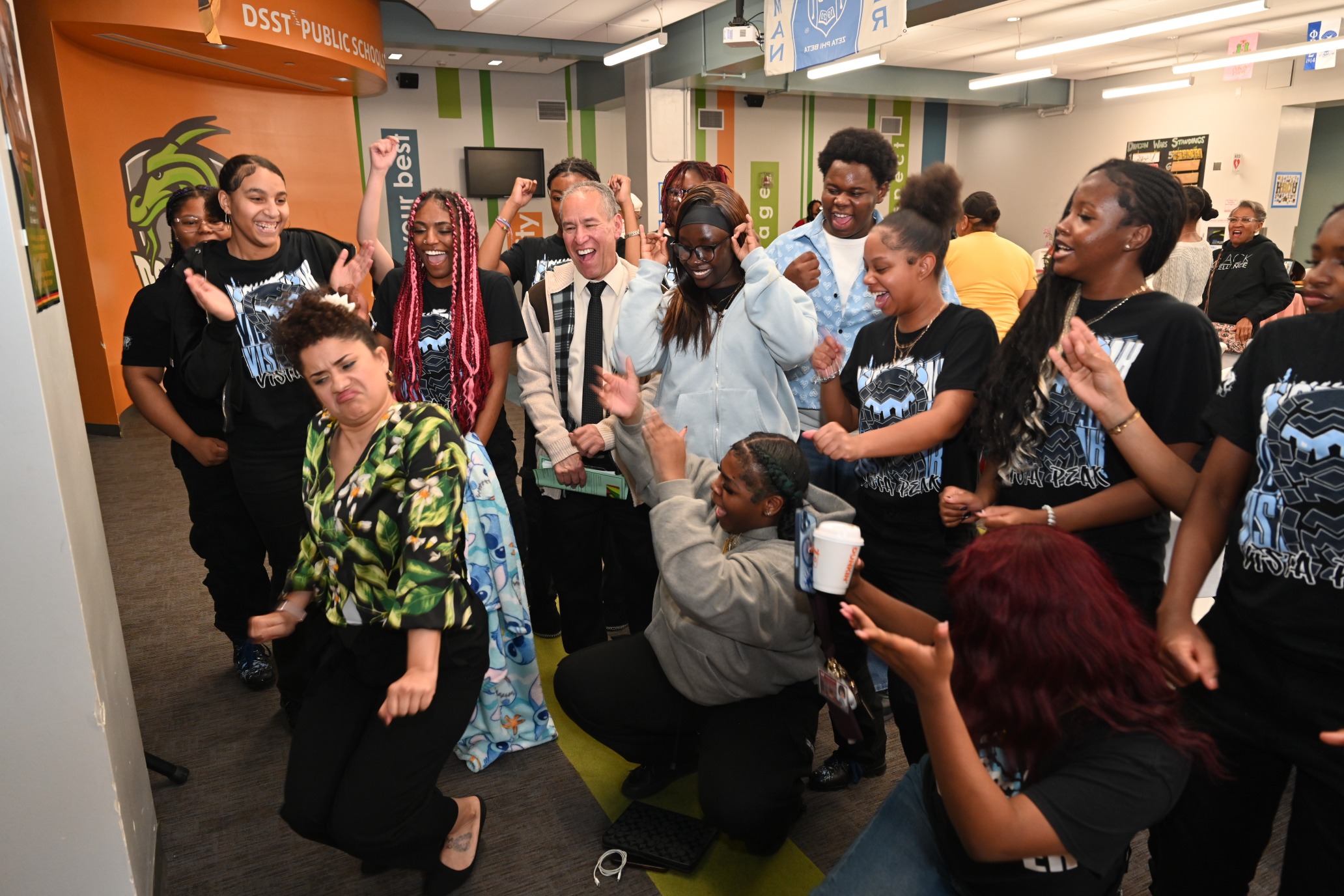
Commemorating Black History Month
February 16, 2027
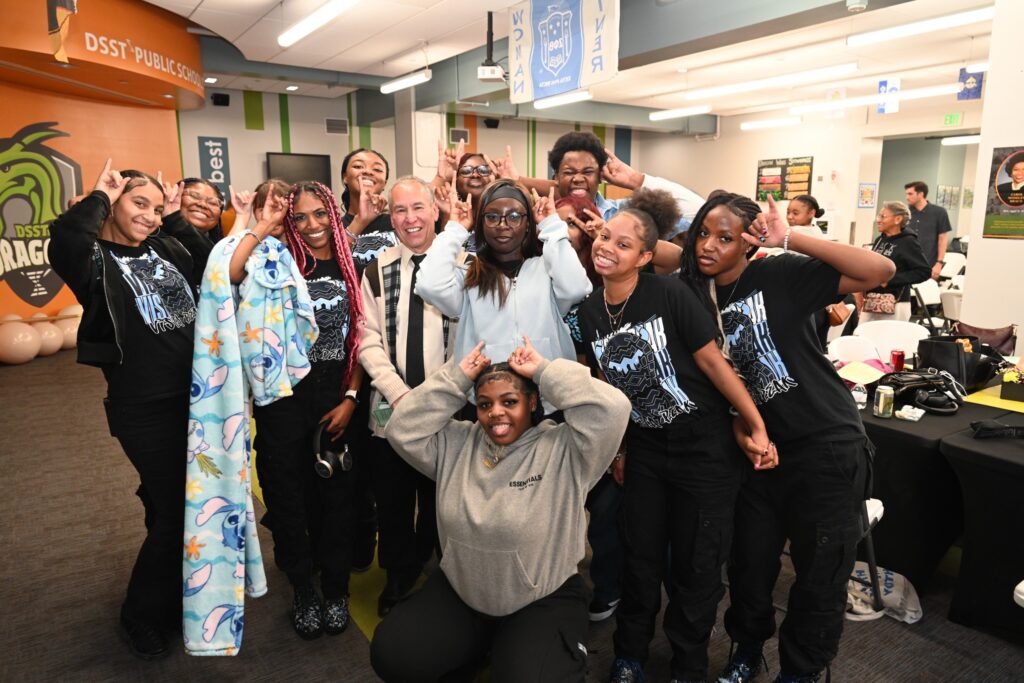
Good day, everyone, and thank you for welcoming me into your space. This piece commemorates Black History Month and its importance to the entire country, with a special emphasis on our youth and students.
Black History Month is a moment to celebrate the giants whose shoulders we stand on — but it’s also a moment to recognize the people who continue that work right now. And that includes every one of you. Because the truth is, the fight for dignity, opportunity, and representation doesn’t just live in history books. It lives in our homes and classrooms. It lives in the choices you make, the lessons you teach, and the care you show.
Denver’s neighborhoods were shaped by generations of Black families — people who built community here long before the city paid attention. Denver needs to carry that legacy forward. And you carry it every time you help our youth and families see themselves in the curriculum, every time you hold space for a young person navigating identity and inequity, every time you insist that their story matters.
Black history is American history. But more than that, it’s student history. It’s the story of resilience, brilliance, and possibility — the same qualities you nurture in your homes and classrooms every day. And in a time when telling the truth can feel like an act of courage, you continue to teach with honesty, with heart, and with a belief in what our kids can become.
So today, I just want to say thank you. Thank you for the labor that isn’t always seen. Thank you for the love that isn’t always named. And thank you for shaping futures in a way that honors the past and builds something better for the generations coming next.
Our youth deserve a future shaped by people who believe in them. And that’s exactly who we are.
Thank you.
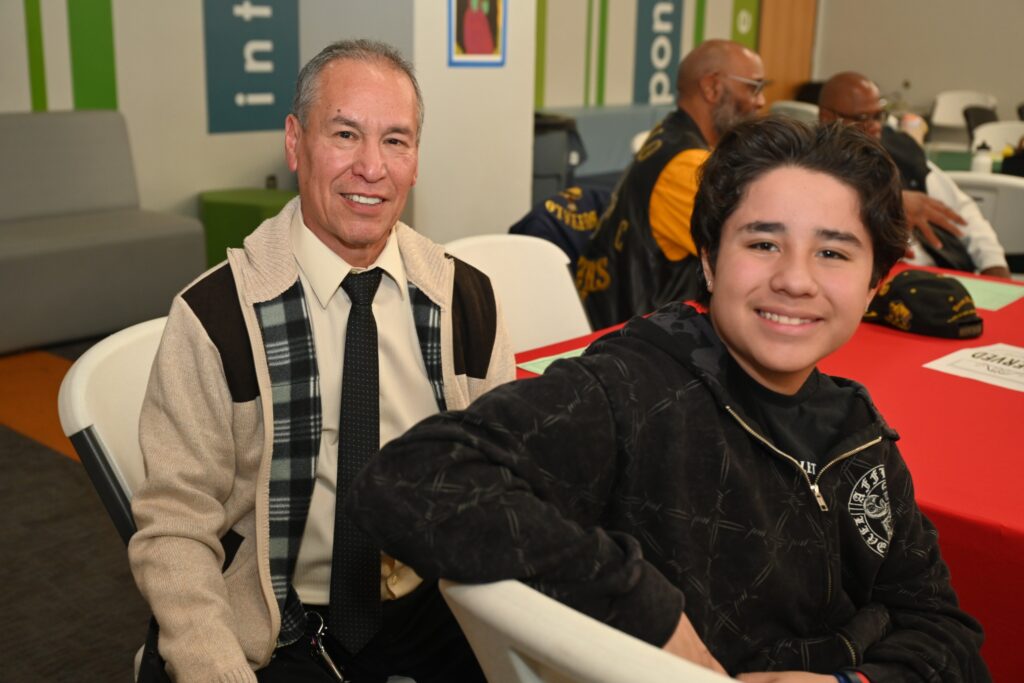
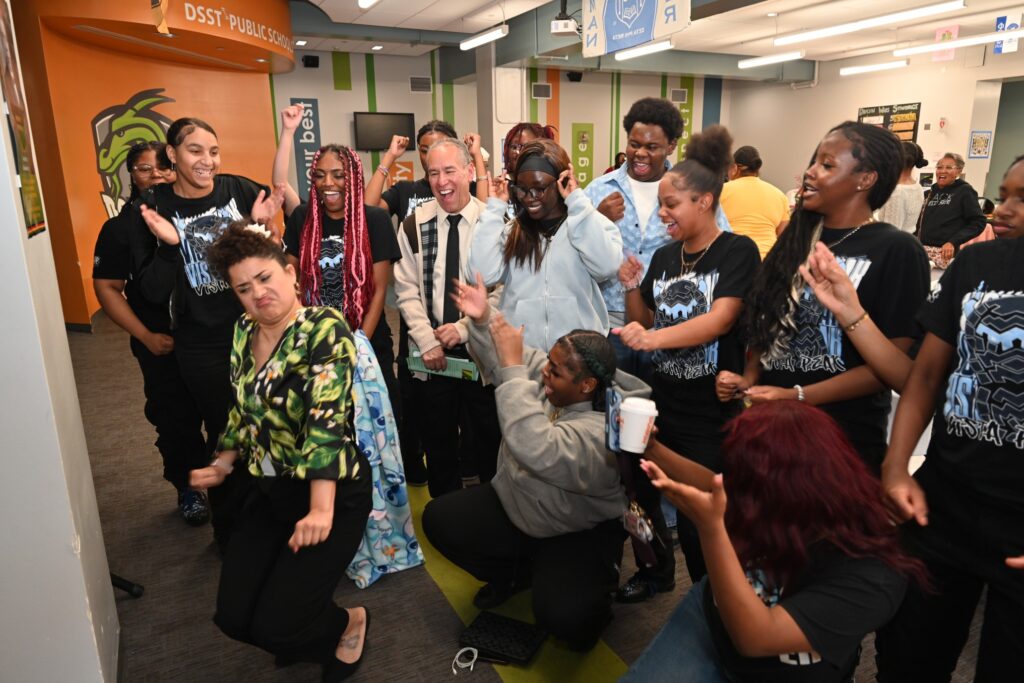
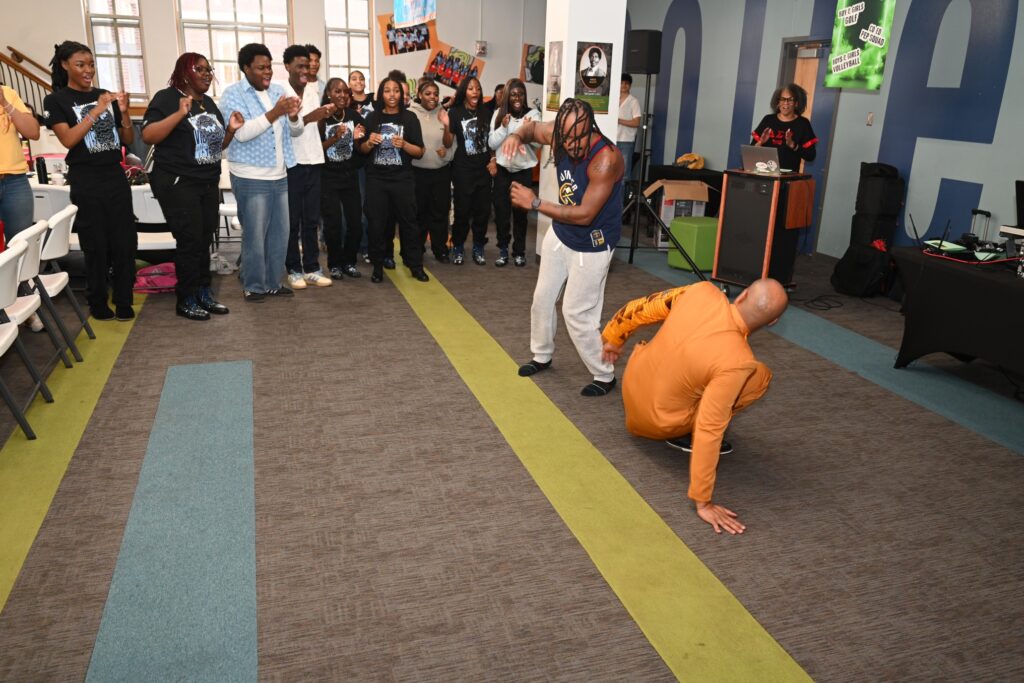
Now, I want to speak directly about the future of our city — because honoring Black history also means fighting for Black futures.
For nearly a century, Denver’s Black population grew, peaking in the 1980s. In the 1990s, Black Denver made up a larger share of the city than it does today. What followed wasn’t a natural decline — it was systematic displacement. Rising housing costs, redevelopment pressures, and the loss of long-standing cultural anchors pushed families out of the neighborhoods they built.
By 2020, Denver’s Black population had fallen to about 8.5 percent. That number tells a story — not of people leaving by choice, but of people being priced out of their own history.
Housing policy is at the center of this. Many residents feel that the city’s approach to affordability has not reversed displacement or expanded pathways for Black families to remain in Denver. Some community members have raised concerns about whether current strategies are doing enough to support long-term stability and diversity.
In the administration I’m proposing, affordability will also mean diversity. While rental support matters, we will place a strong emphasis on homeownership — because homeownership is how families build generational stability, stay rooted, and return to the neighborhoods that shaped them.
Our goal is not only to stop the bleeding of Black families forced out of Denver, but to create real opportunities for Black families to come back home.
If you believe in that vision — a Denver that honors its history by protecting its people — I’m asking you to join us. Help us win this election by donating, volunteering, and spreading the word.
-Aurelio Martinez